Color pigments are used in the construction industry to add a splash of color to a project, whether it be in the construction of new buildings or the reconstruction of existing structures. Pigments for construction add life and color to what would otherwise be a dull, gray mass of concrete. Specialty chemicals can also be added to construction materials such as cement and concrete to improve longevity and increase strength and durability. In this article, we are going to explore the different types of pigments and specialty chemicals used in the construction industry and the roles they play within the industry.
The Types Of Pigments Used In Construction
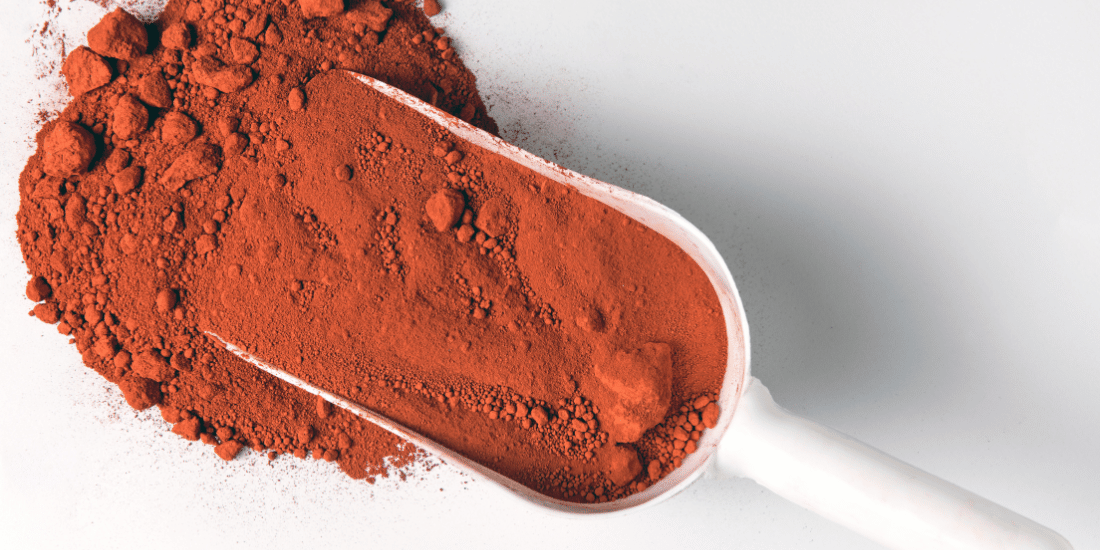
There are several types of pigments used in the construction industry, and different types produce different results, and which pigment you choose will depend on what you want to get out of the finished result. Cathay – iron oxides for construction are widely used in the industry to produce shades of brown, red, black, and dark yellow, but it can be expensive to use. On the other hand, natural iron oxide pigments have been used by humans for thousands of years and have been discovered in cave drawings all over the world.
Special metal oxides include some iron oxides and produce purply red, blue, or yellow hues, whereas chromium oxide produces green, and titanium produces bright white. Pigments can be harnessed from nature, but synthetic pigments are an option if the color you want can’t be achieved using metal oxides alone. ¹
Synthetic pigments are made in controlled conditions where particle size, distribution, and shape can be accurately replicated, resulting in superior uniformity, color quality, and chemical purity compared to natural pigments. However, these can be a costly choice. ²
Pigments for manufacturing can take the form of powder or liquid. Powdered pigments can be loose, which is dustless as their particles stick together, or granulated, which is designed for use in mixing machines where the coarse aggregate and mixing process breaks the particles up. In liquid pigments, the solid pigment particles are suspended in a liquid, which helps keep the pigment suspended for the duration of the measuring and dosing process. ³

The Purpose Of Pigment In Concrete
The purpose of pigments in concrete is to produce color, especially if you’re looking to move away from the standard gray color that is typical of concrete. Unlike applying layers of paint over the top of concrete, pigment is combined into the concrete itself during the mixing process. Unlike paint that sits on the surface, pigments used in concrete is not affected by heat or ultraviolet light, so it won’t fade or wear away – it becomes part of the concrete. ⁴
Pigment can also add color to other materials like stucco, mortar, grout, plaster, countertop mix, concrete overlay, and other cement-based materials. ⁵ Pigment used in concrete will ensure a consistent color throughout with no variations. It can also be used as a contrasting base shade for creating layers of color. Pigment is a good alternative to shake-on color hardeners as less mess is created and less clean-up is required. Another advantage of using pigment in concrete is that it saves time and effort because the pigment is mixed into the concrete before it is placed and finished in the usual way. ⁶
It’s also important to note that adding pigment to concrete doesn’t affect its quality of strength– it simply adds color. Pigmented concrete doesn’t lose its color through contact with the elements or the usual wear and tear that buildings often endure, making it ideal for facades and floors. This method also adds a decorative quality to a building, turning a construction project into more than just a building, but also a work of art. ⁷

Specialty Chemicals In Construction
Pigments are not the only element that is used within the construction industry. In recent years we have seen an increase in the use of specialty chemicals in the construction industry. Specialty chemicals, or effect chemicals as they are sometimes known, are added to other chemicals or substances to deliver a specific effect. ⁸
In the construction industry, they are added to materials like cement and concrete at the time of construction to hold the construction materialtogether. The most common specialty chemicals in construction are:
- Concrete admixtures – with our buildings getting bigger and taller, admixtures can be used to produce especially strong concrete that is able to cope with these demands as we create ever more ambitious urban landscapes
- Asphalt modifiers – these improve wear resistance and reduce noise and the risk of skidding, as well as reducing maintenance costs.
- Adhesives and sealants – these increase the overall durability of buildings, and when used around windows and doors, can keep more heat in, making buildings more energy-efficient.
- Protective coatings – these protect the surfaces underneath against weather damage and general wear and tear, extending the lives of walls, roofs, and other areas. ⁹

How To Source Pigments For Construction & Specialist Chemicals
Finding the right raw materials for your construction project can be labor-intensive, and on top of other pressures like deadlines and profits, finding the right materials can really pile on the stress. At Van Horn, Metz & Co, we do the hard work of sourcing materials, so you don’t have to – we’ve been doing it since 1950.
Our highly trained technical sales managers source the high-quality materials you need from suppliers we, and you can trust. We will help you track down the specialty materials you need to create pioneering products that will help grow your business.
We can supply a range of pigments suitable for use in construction, from water-based pigment dispersion to iron oxides. We also have an extensive portfolio of specialty chemicals to address your requirements.
To find out how we can help source the pigments and specialty chemicals for your next construction project, visit our website.
References:
- https://www.earthmagazine.org/article/mineral-resource-month-iron-oxide-pigments-0/
- https://theconstructor.org/concrete/pigments-concrete/38297/
- https://theconstructor.org/concrete/pigments-concrete/38297/
- https://www.arch2o.com/the-advantages-of-pigmented-concrete-in-architecture/
- https://directcolors.com/concrete-pigment/
- https://www.arch2o.com/the-advantages-of-pigmented-concrete-in-architecture/
- https://www.archdaily.com/910825/the-possibilities-of-pigmented-concrete-18-buildings-infused-with-color
- https://www.designingbuildings.co.uk/wiki/Specialty_chemicals
- https://www.designingbuildings.co.uk/wiki/Construction_chemicals

Leave a Reply